Behind the Barista
A quiet reflection on the café as more than a place to drink coffee. This piece explores atmosphere, routine, and the subtle moments that turn everyday visits into comforting rituals.
Fionnuala Ní Mhurchú
3 min read
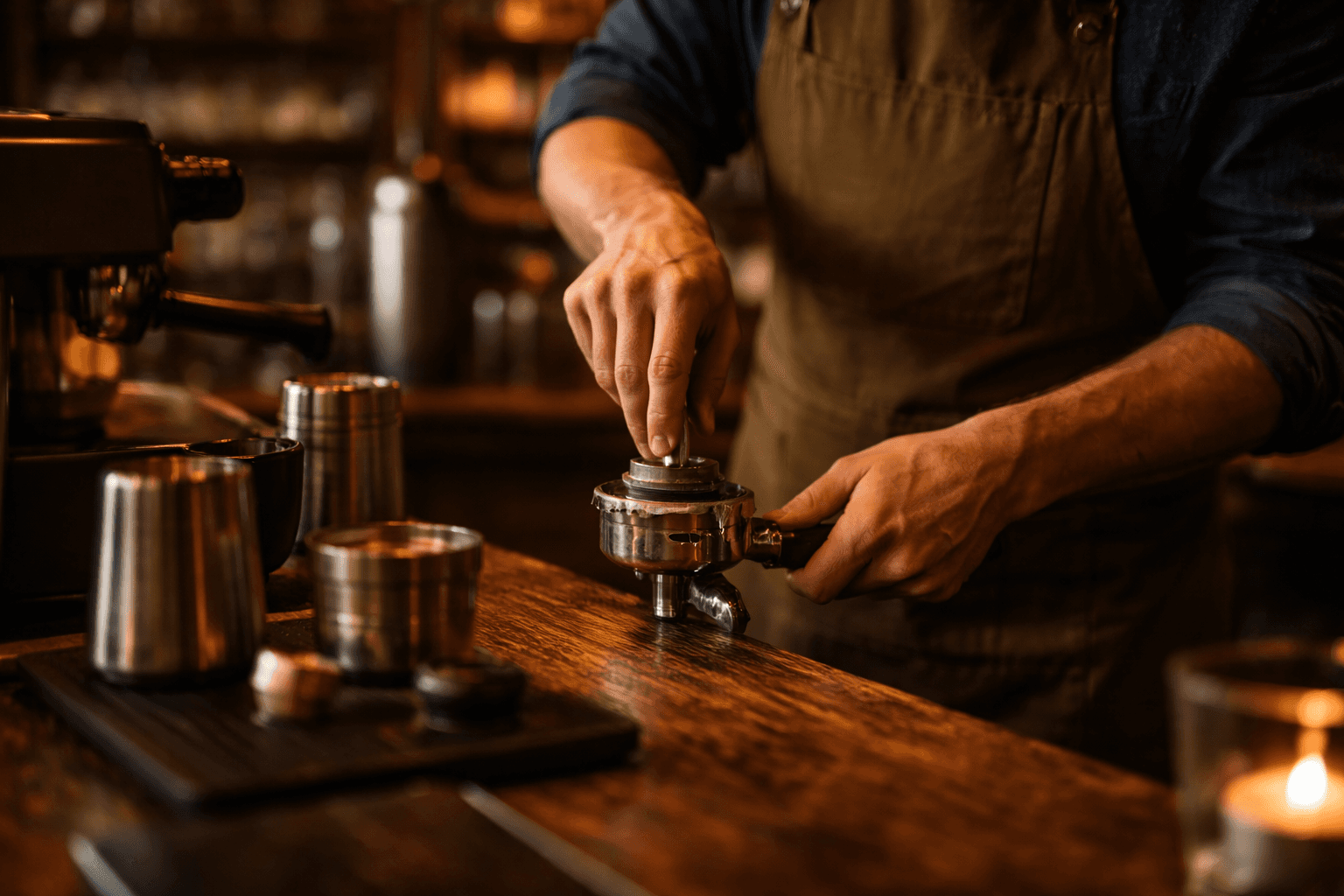
Behind every memorable cup of coffee is a barista who understands precision, timing, and hospitality. The role extends far beyond preparing drinks — great baristas shape the entire café experience by creating consistency, conversation, and care throughout the day.
The Craft Behind Coffee
Preparing espresso requires balance between grind size, extraction time, milk texture, and temperature. Small adjustments can completely change the flavour and quality of a drink. This is not guesswork — it is a discipline practised daily.
Variables Every Barista Manages
Grind size — finer for espresso, coarser for filter and french press
Dose — typically
18–21gfor a double espresso basketExtraction time — ideally
25–30 secondsfor a well-pulled shotMilk temperature — steamed to around
65°Cfor optimal texture and sweetness
More Than Technical Skill
Hospitality is equally important. A welcoming interaction often leaves a stronger impression than the drink itself. Familiar conversations and personal recommendations help guests feel genuinely connected to the café rather than just a customer moving through it.
What Separates Good from Great
Remembering regular orders without being asked
Reading the mood of the room and adjusting the pace of service accordingly
Offering an honest recommendation when a guest is undecided
Maintaining composure and quality during the morning rush
People return to cafés because of how they are treated as much as what they are served. The barista is the bridge between the two.
The Language of Latte Art
Latte art is both functional and expressive. A well-poured rosetta or tulip indicates properly textured milk — smooth, microfoam without large bubbles, integrated rather than sitting on top. If the art holds its shape and the surface is glossy, the milk is right. If it blurs or sinks, something in the steam needs adjusting.
Common Latte Art Patterns
Heart — the most basic, a clean pour with a confident finish
Tulip — layered pours, good for flat whites and cortados
Rosetta — requires steady movement and practiced wrist control
Phoenix — advanced, free-pour pattern for skilled baristas
A Craft That Combines Head and Heart
The work of a barista combines craftsmanship with human connection, making the café feel personal and memorable. The best in the profession carry both in equal measure — knowing their equipment as well as they know their regulars.
A great barista does not just make coffee. They make the morning worth having.
Next time you sit down with a perfectly made flat white, consider the layers of skill, habit, and care that went into what looks, on the surface, like a simple drink.