Cream & Conversation
A lifestyle-focused perspective on the café as a place for connection, work, and quiet observation.
Siobhán Ó Briain
3 min read

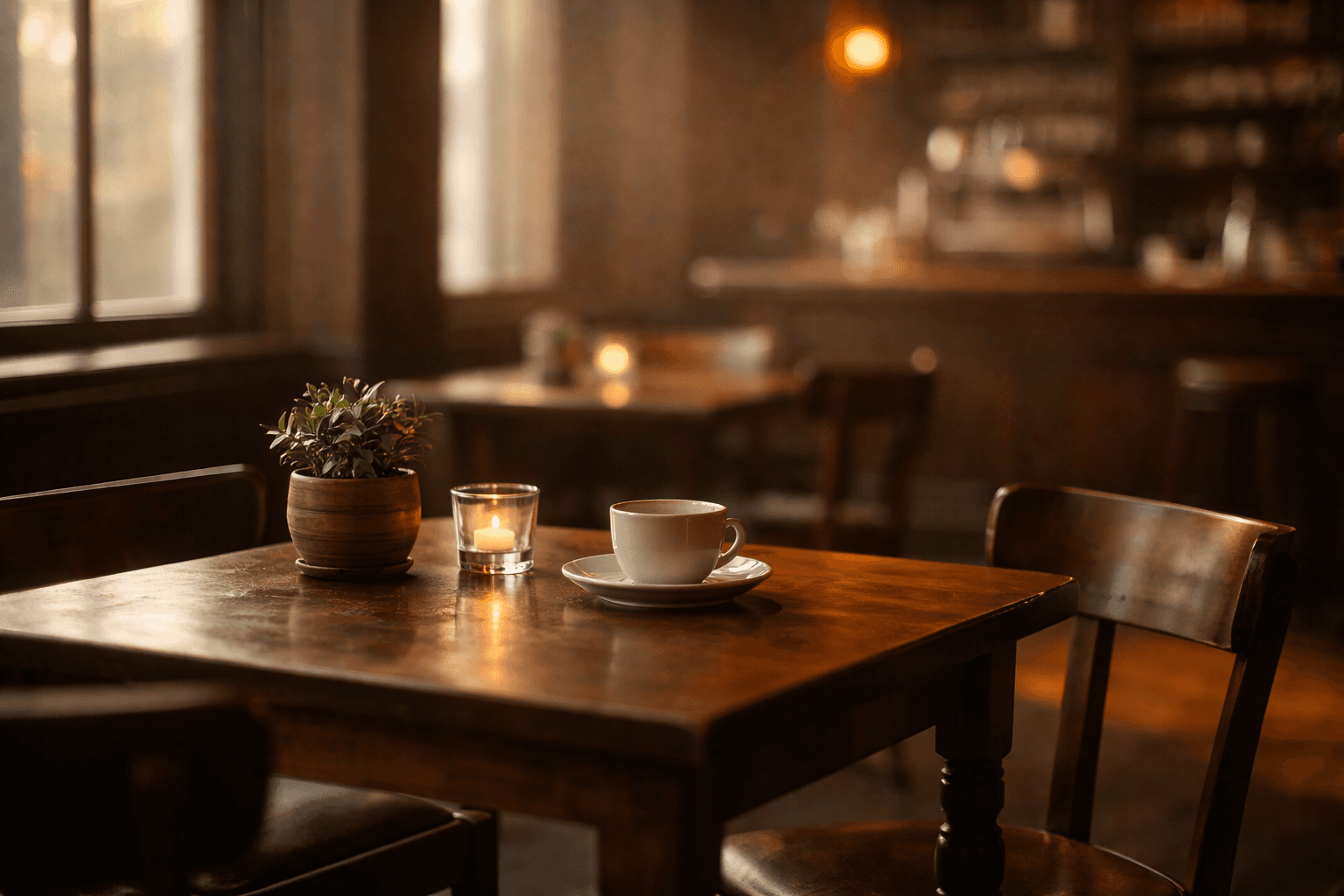
Cafés have always been more than places to grab a quick drink. They are environments where conversations unfold naturally, ideas are exchanged, and people find moments of pause within busy routines. The atmosphere of a well-designed café shapes how people interact with each other and with the space itself.
The Role of Atmosphere
Lighting, music, seating, and even aroma contribute to how welcoming a café feels. A balanced environment encourages guests to stay longer, relax more deeply, and enjoy the rhythm of conversation without distraction. Good café design is never accidental — every element is intentional.
Sensory Details That Matter
Walk into any beloved café and you will notice a combination of factors working quietly in the background:
Warm, diffused lighting that softens shadows and creates intimacy
Shared tables that invite strangers into proximity without pressure
Background music at a volume that adds energy without overpowering the room
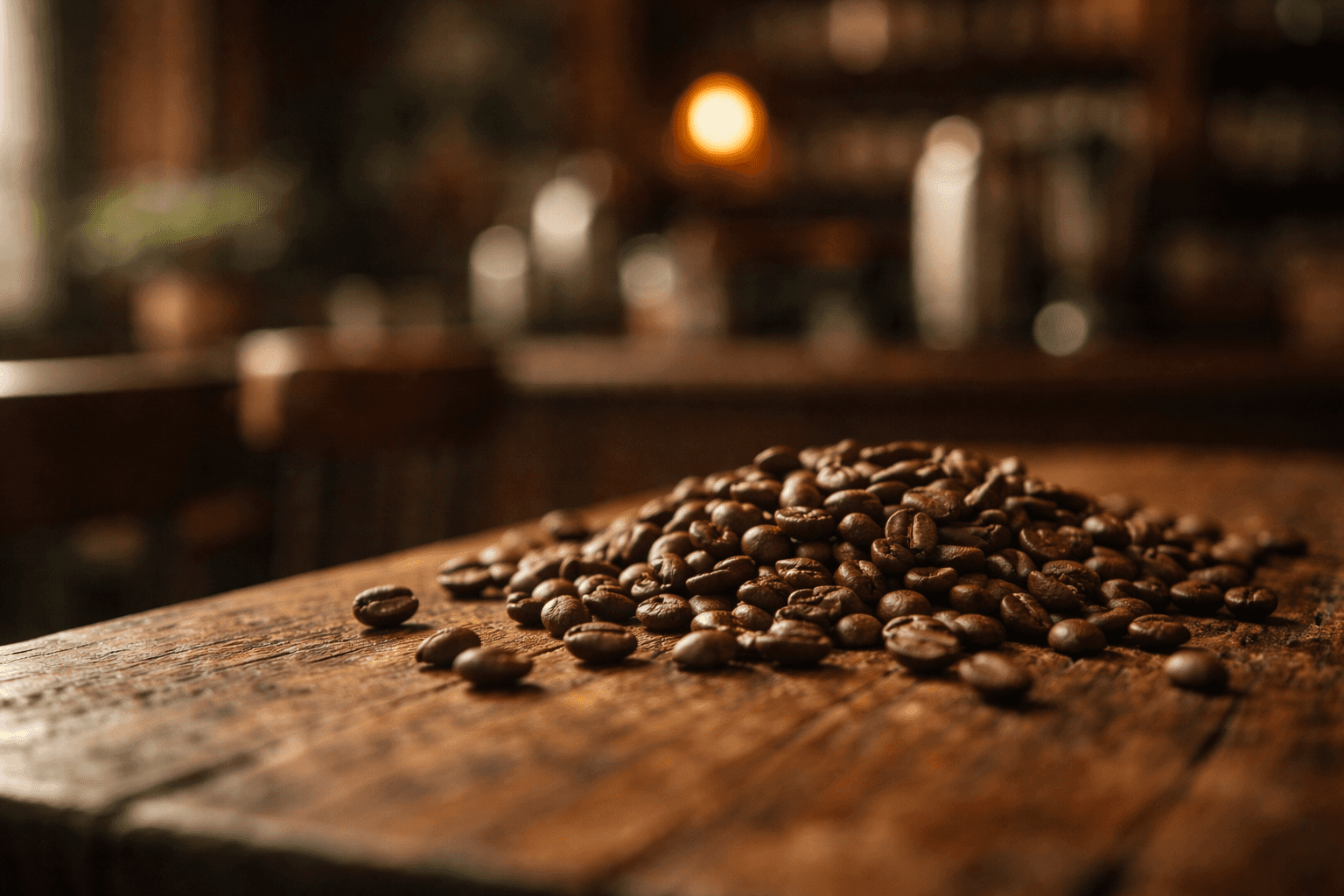
The smell of freshly ground beans drifting from behind the counter
Why Cafés Matter Socially
From morning meetings to late evening catch-ups, cafés provide a neutral and inviting setting for connection. They create familiarity over time and become part of personal routines in a way few other public spaces manage.
The Social Ritual in Practice
Consider the simple order of a morning visit:
You walk in and are greeted by name or a familiar nod
Your usual order is remembered — or you try something new from the seasonal menu
You settle into a corner seat, open your notebook, and let the ambient noise wash over you
An hour passes without you noticing
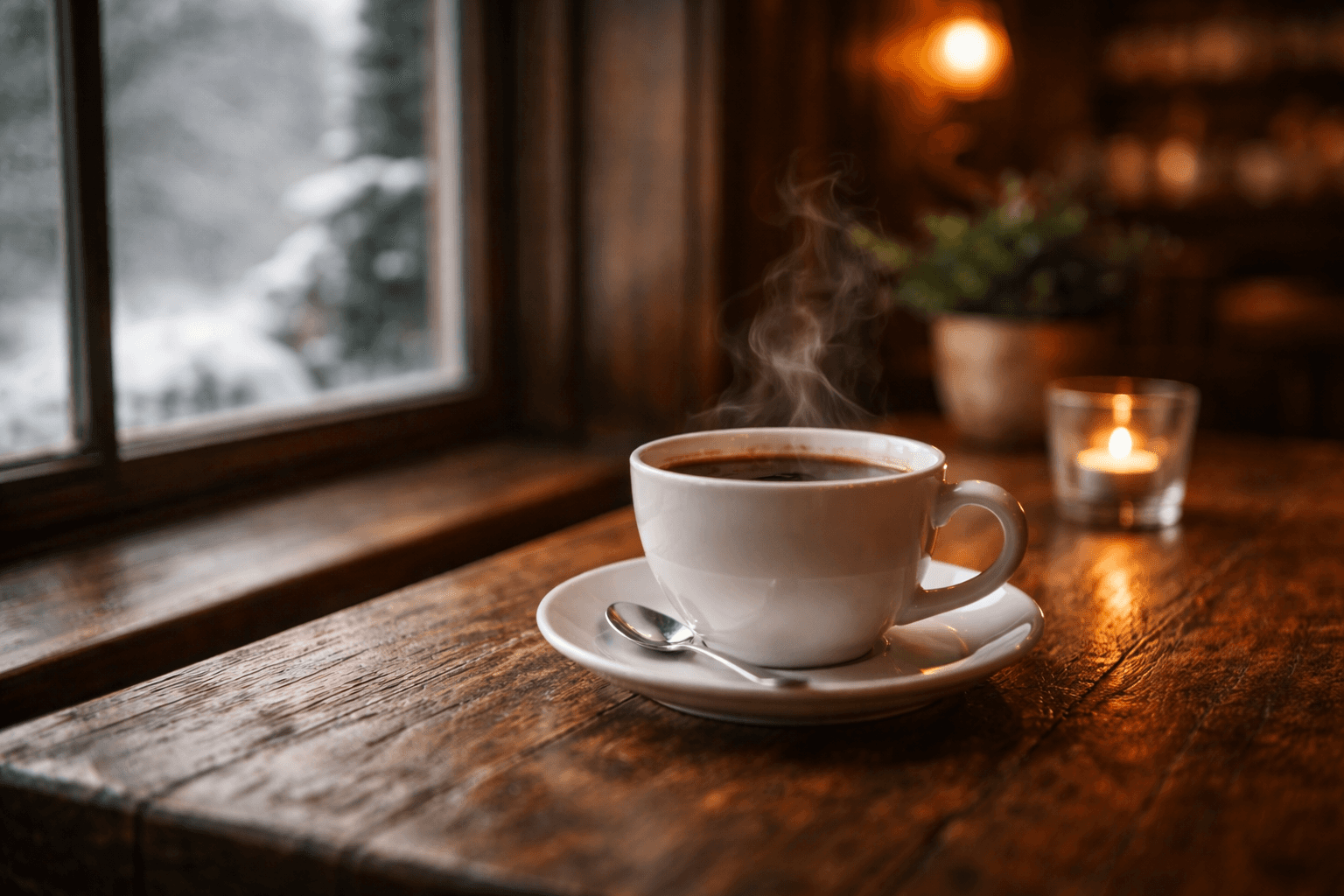
The best café experiences are remembered for the feeling they create, not just the coffee they serve.
Coffee as a Design Language
Baristas who care about their craft think of each drink as a small composition. Variables like grind size, water temperature, and extraction time — what coffee professionals call the brew ratio — are dialled in daily. A standard espresso might follow a 1:2 ratio, meaning one gram of coffee yields two grams of liquid. Adjusting even a single variable changes the cup entirely.
Common Brew Methods at a Glance
Espresso — high pressure, short extraction, concentrated and bold
Pour-over — manual control, clean and bright flavour profile
French press — full immersion, rich body with more oils in the cup
Cold brew — slow steep over
12–24 hours, smooth and low-acid
Conversation as Currency
In many ways, cafés continue to act as modern gathering spaces where comfort, conversation, and routine come together. The counter is not just where drinks are made — it is where regulars exchange recommendations, share small pieces of their days, and build the micro-relationships that quietly anchor a neighbourhood.
A café that knows your name is not offering a service. It is offering a place to belong.
This is the quiet power of cream and conversation — the way a simple cup, shared in the right setting, can make an ordinary Tuesday feel like something worth remembering.